

and the French are beating a dead horse with their ruinous windmills
transition is not a moral story, but a transformation of unrealistic proportions…
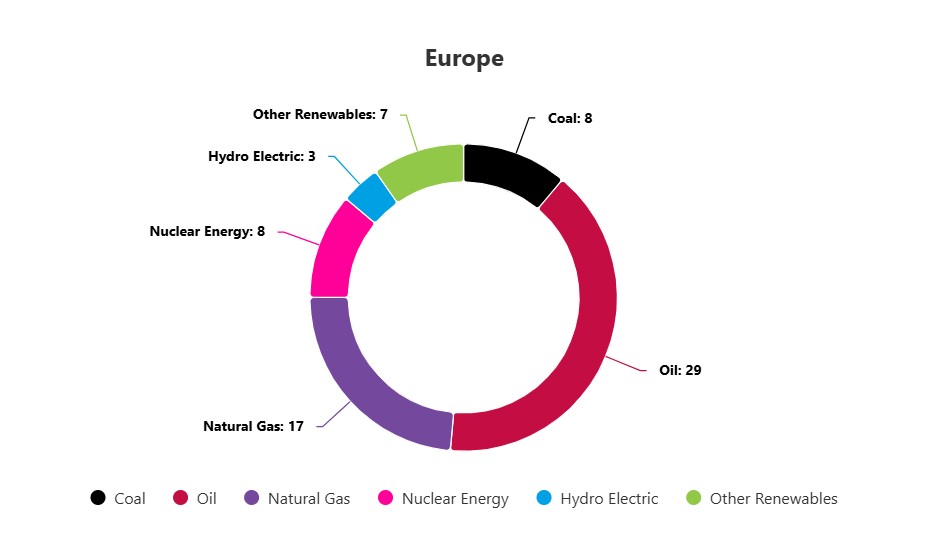
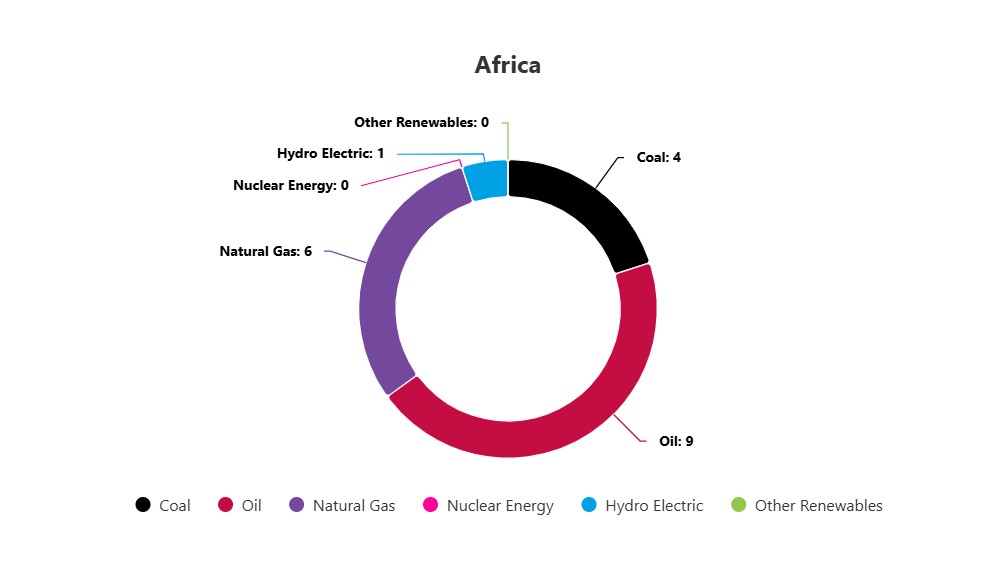
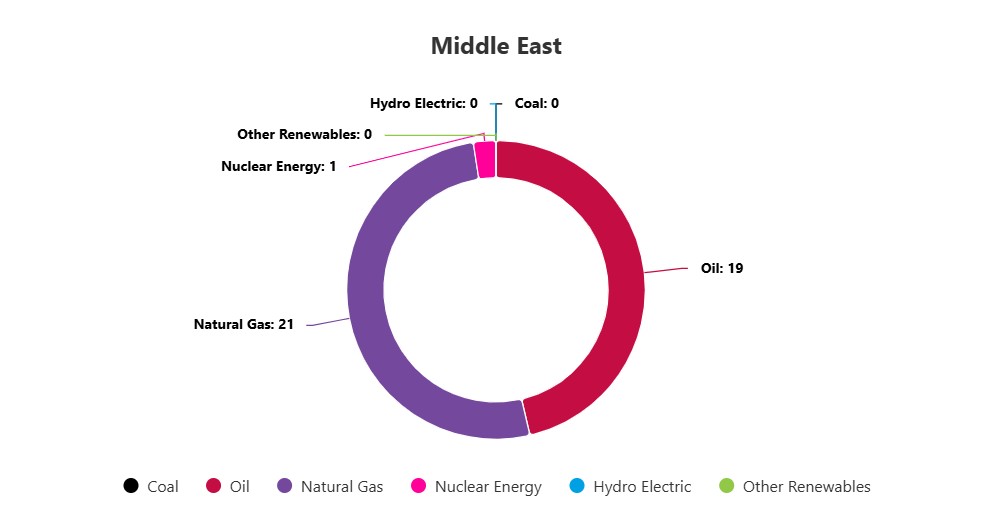
Only 3% of the world’s primary energy comes from the « ecologic scam theater » (gas and solar) but it’s 0% in Africa and 9% in Europe. In our case, the ‘transition’ has been completed at less than 10% and it has almost killed us….Its a long way to SANDRINE ROUSSEAU’s Heaven (member of french Parliament).
Published on 31 December 2025 by pgibertie
Documentary and Truth
@DocuVerite
One of the most important energy news stories of the year went almost unnoticed.
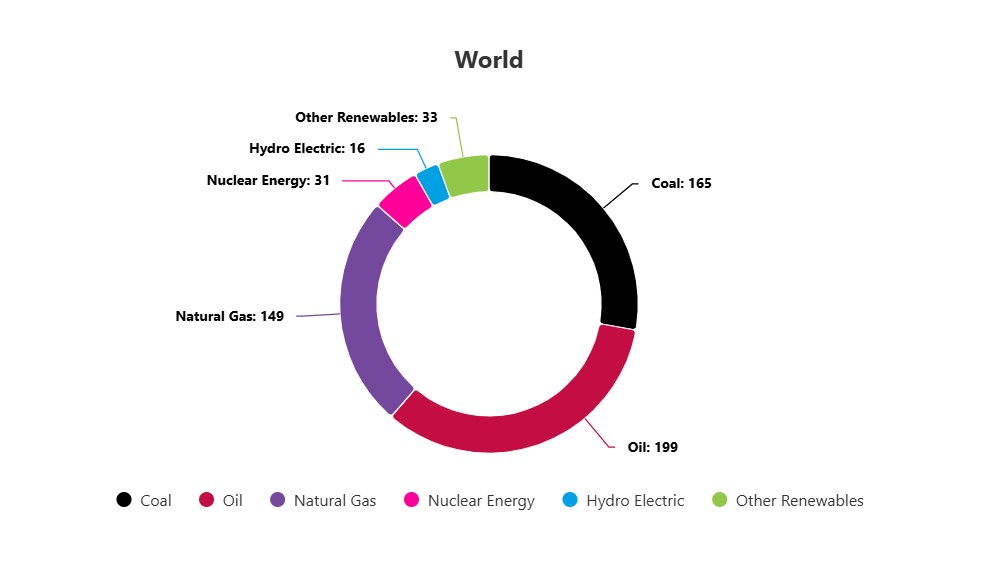
More than 86% of the world’s primary energy still comes from oil, gas and coal… This figure is the result of a change in methodology adopted by the official Statistical Review of World Energy.
And the novelty is that it finally makes visible what was previously hidden…
For years, renewable energies were given particularly favourable statistical treatment. World energy balances used what is known as the fossil fuel equivalent method.
The principle was simple: a kilowatt-hour produced by wind or solar power was counted as if it replaced the equivalent of a kilowatt-hour of fossil-fired power, taking into account the conversion losses that would have occurred in a coal- or gas-fired power station.
As a result, on paper, renewables “weighed” more heavily in primary energy than they did in physical reality.
In 2025, the Energy Institute therefore decided to adopt an approach in line with United Nations and Eurostat standards: the physical energy content method. From now on, only the energy actually produced will be counted, without any artificial inflation.
And the consequences are immediate: Before the revision, renewables accounted for around 8% of the world’s primary energy. After revision, their share falls to around 5.5%. Nuclear power remains stable at around 4-5%. Fossil fuels mechanically fall from ~82% to nearly 87% of the total.
It’s not that renewables are producing less than they did in the past. It’s just that, until now, they were counted more than they actually produced. This methodological change is important because it alters the very understanding of the energy transition.
Firstly, it puts an end to the illusion of substitution.
Yes, renewables are growing fast. But they are being added to a fossil fuel system that is still dominant. The world is in a dynamic of energy addition, still far from any replacement/substitution.
Secondly, it reminds us of a physical truth that is often forgotten: primary energy is not a political narrative, but a material flow. You don’t decarbonise a system by changing the colour of the graphs, but by actually reducing absolute fossil fuel consumption.
At this point, we need to reiterate the obvious, which the public debate is doing its utmost to dispel with admirable consistency: electricity is not energy, it is only a minority form of it. On a global scale, it accounts for barely a fifth of the final energy consumed.
One of the most effective intellectual manipulations of the transition has been to pass off electricity as energy itself, thereby erasing the troublesome concept of primary energy. This ungrateful quantity is a reminder that producing electricity is not free, that it involves upstream flows, losses and conversions, and that you can’t nurture a civilisation with slogans…
By deliberately confusing electricity shares and energy shares, as we would confuse the tap and the source, we have created a good old collective illusion: that of a rapid changeover, even though the underlying structure of the world’s energy system remains massively fossil-based. So while we celebrate records for green electricity production, we fail to specify what they are really replacing, and above all what they are not replacing.
This methodological correction also makes it easier to understand the scale of the effort still required. After thirty years of climate policies, nearly nine out of ten energy units are still fossil fuels. This figure is disturbing because it contradicts an asserted narrative. That of a transition already largely underway, almost irreversible, where all that remains is to “accelerate”.
This new methodology shows that renewables and nuclear power have made it possible to avoid considerable emissions, but that they have not yet transformed the fundamental structure of the global energy system.
That’s precisely why this information is so important. Because it forces us to move away from slogans to physical reality. Because it reminds us that the transition is not a moral story, but a transformation on an unrealistically large scale…
Because in energy as elsewhere, refusing to look at the present as it is, is the best way to make the future more costly, more conflict-ridden and more brutal than expected.
https://energyinst.org/statistical-review